
Private Tour: Historic San Salvador and El Boquerón National Park
The essential tour to discover El Salvador. From the palaces and cathedrals of the capital's heart to the freshness of El Boquerón National Park. History, culture and panoramic views at 1,800 meters high.
Private Tour: El Boquerón and the Historical Heritage of San Salvador
El Boquerón National Park is located on the volcano of San Salvador (also known as Quezaltepeque), a massive complex that dominates the landscape of the capital. Located at 1,893 meters above sea level, the main crater has a diameter of 1.5 kilometers and a depth of 558 meters. This environment protects a cloud forest ecosystem that houses unique flora species, such as wild orchids and hydrangeas. A relevant historical fact is the formation of“El Boqueroncito”, a small volcanic cone at the bottom of the crater that emerged during the last eruption of the volcano in1917, an event that significantly altered the topography and urban history of the metropolitan area.
Architectural Vanguard: El Rosario Church
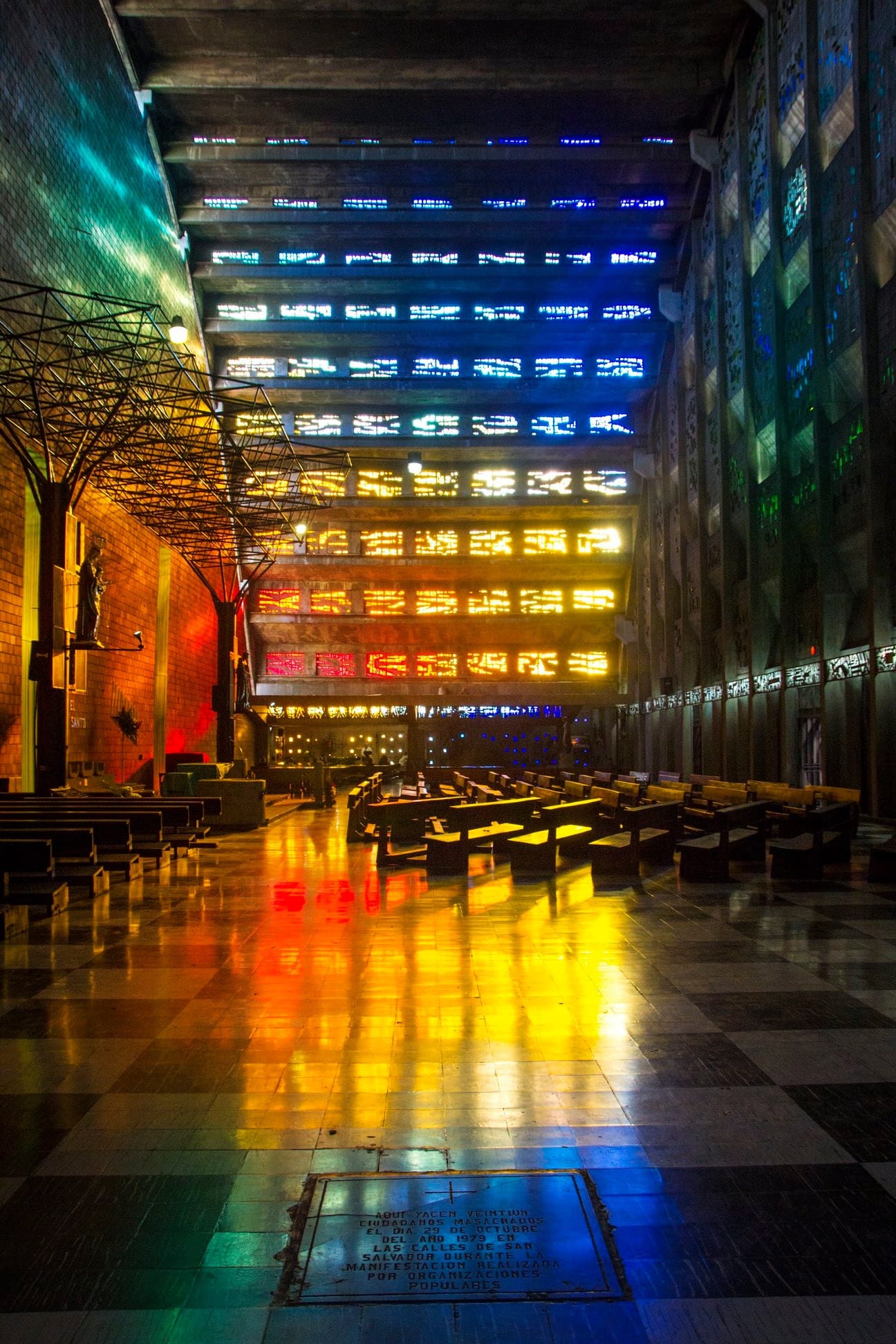
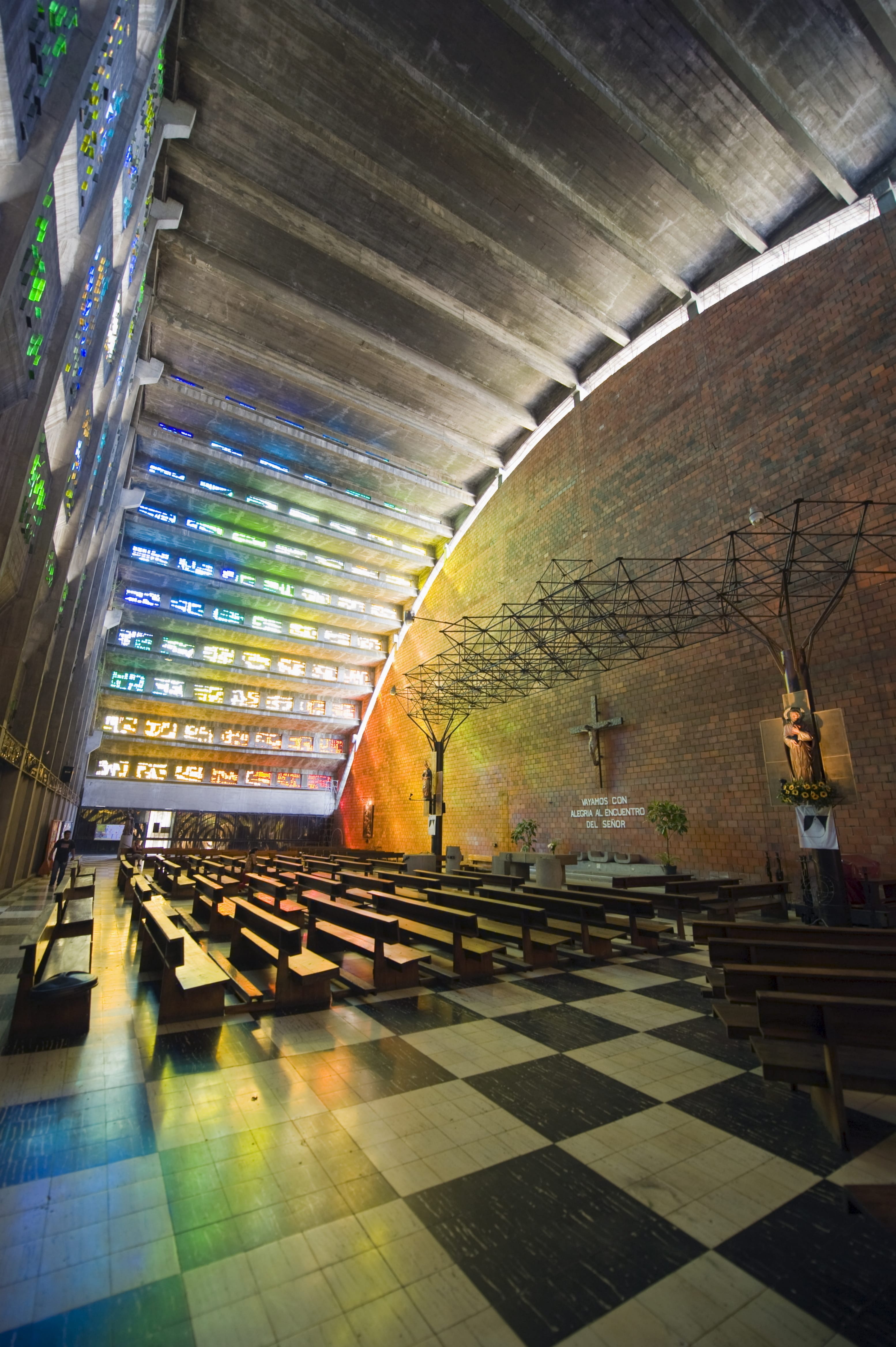
Considered one of the most iconic religious buildings in Latin America, the El Rosario Church It is a masterpiece of modernism designed by the Salvadoran sculptor Rubén Martínez and completed in 1971. Unlike traditional colonial structures, it lacks internal columns and has a parabolic arch shape that symbolizes resurrection. Its greatest attraction is the strategic arrangement of stained glass windows that, by capturing sunlight, project a natural chromatic spectrum onto the altar, creating a visual and technical experience that places it as a jewel of contemporary architecture.
The Historical Center: Political and Spiritual Axis
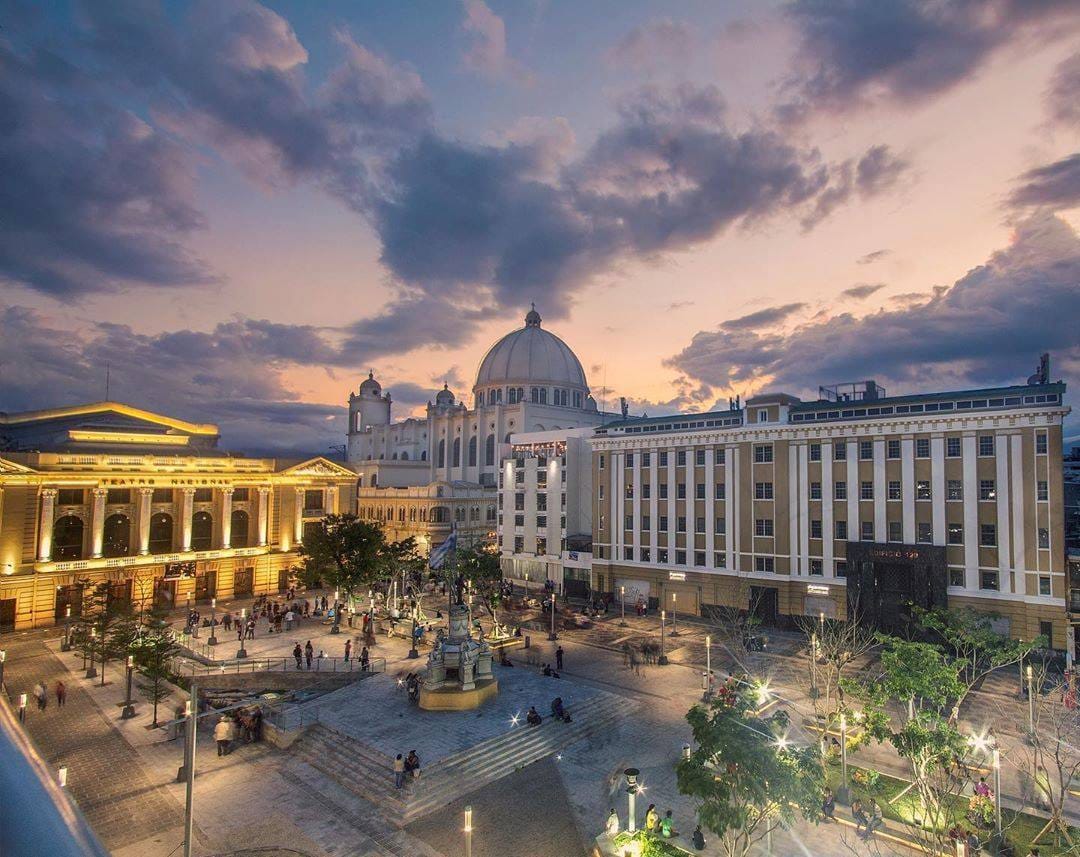
The heart of the city is the point of origin of the Republic and houses structures of immense historical value:
- Freedom Square: Epicenter of Central America's first cry for independence in 1811, crowned by the Monument to the Heroes.
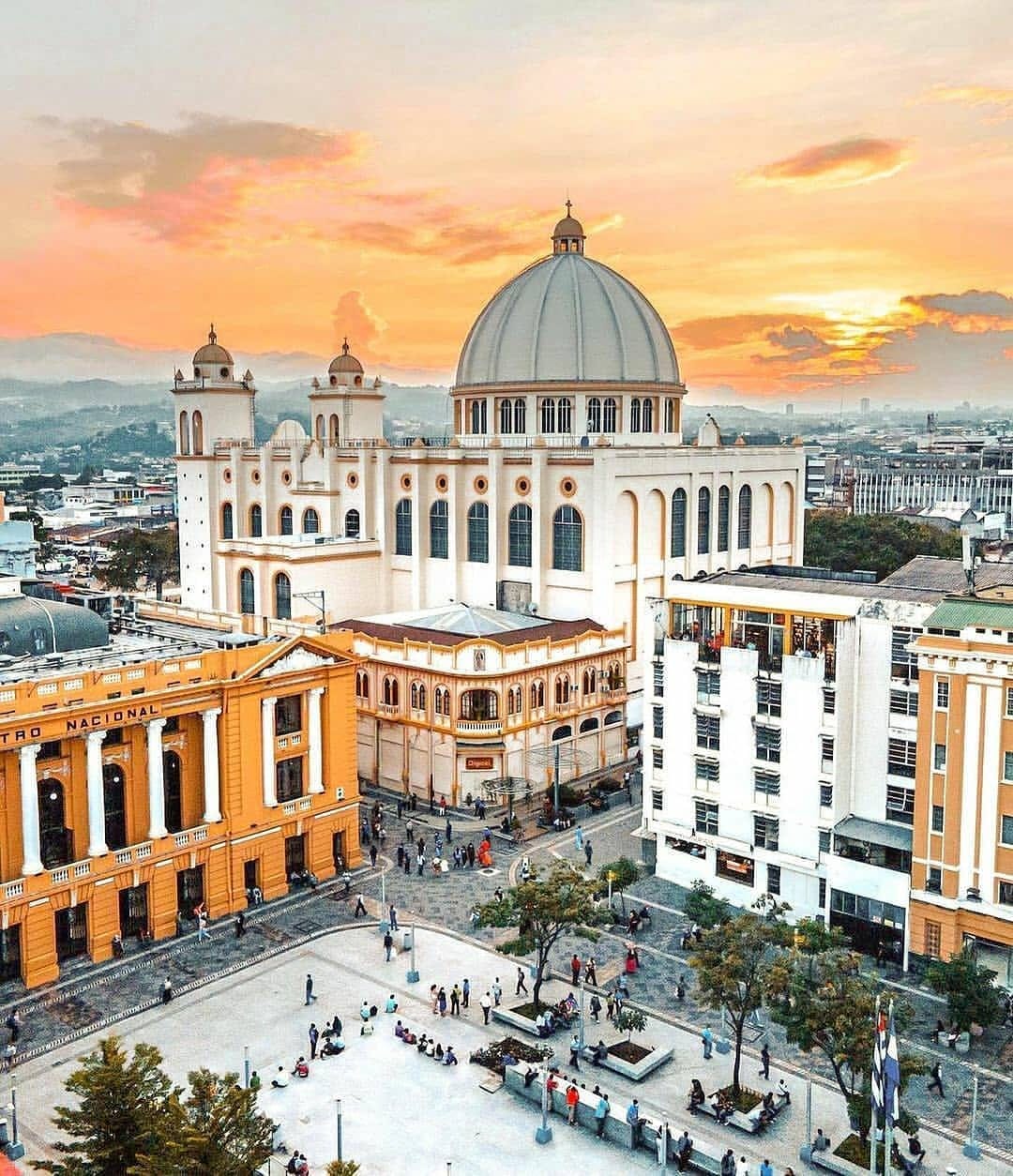
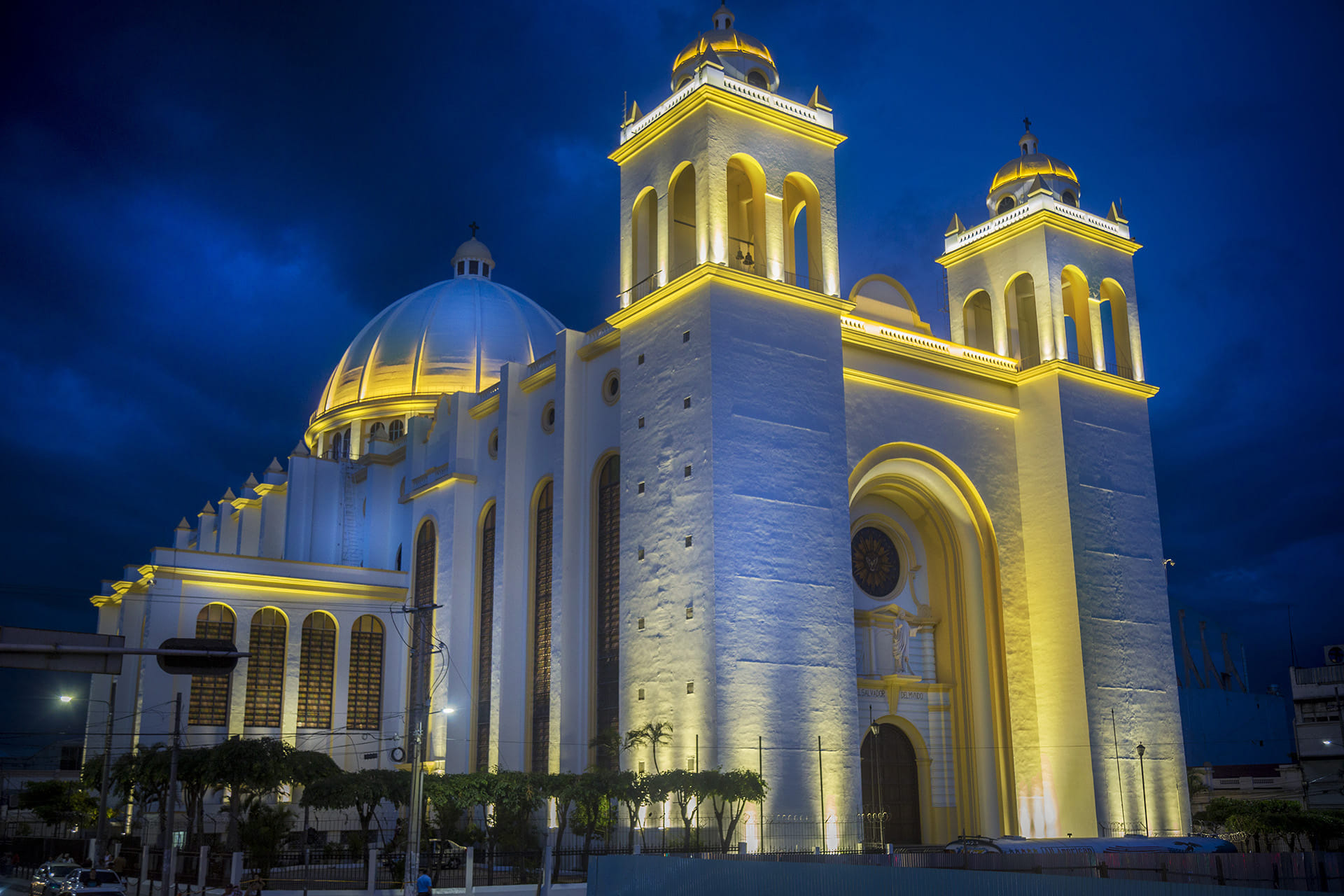
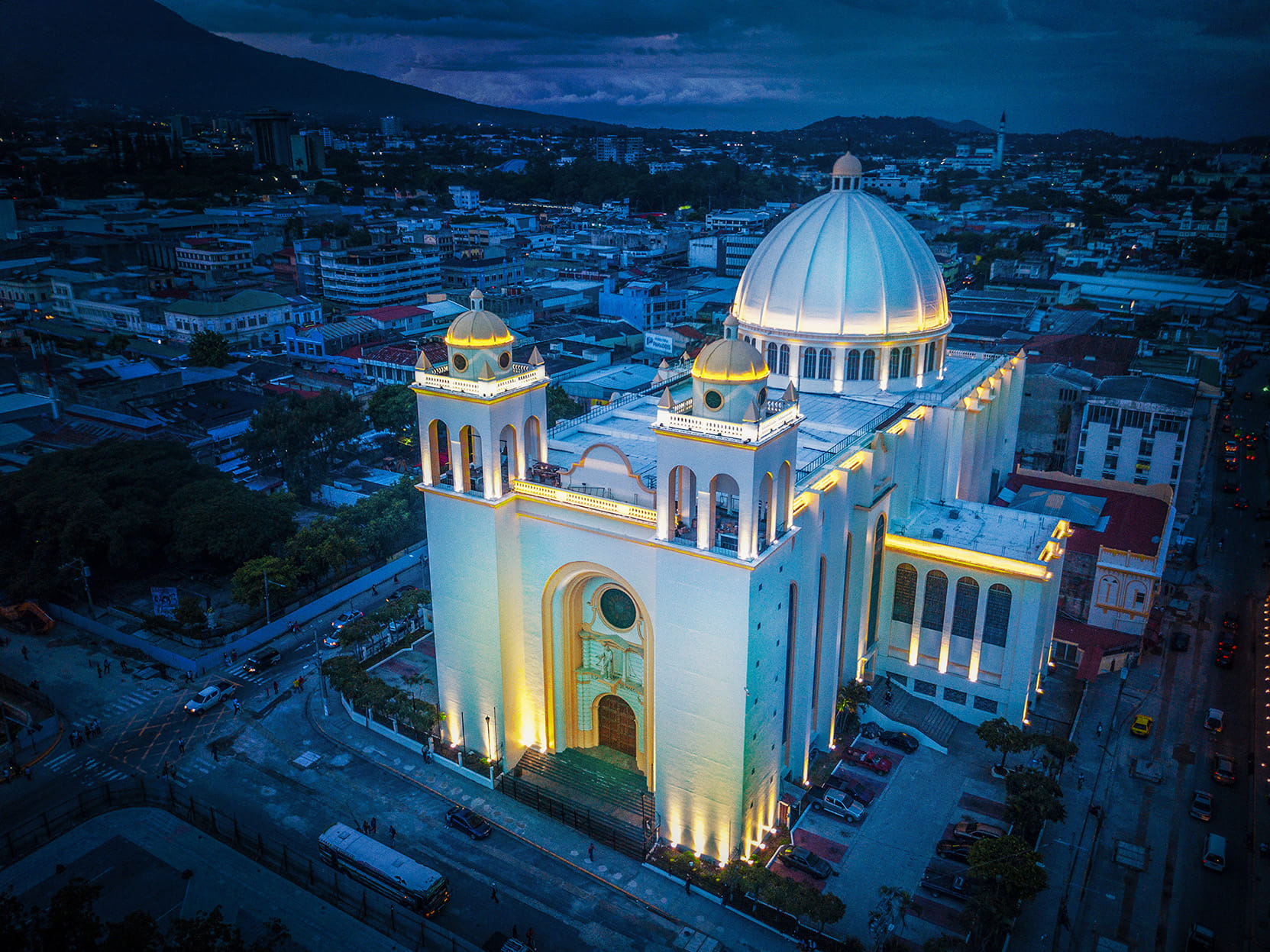
- Metropolitan Cathedral: A building that merges architectural styles and houses in its basement the Crypt of San Oscar Arnulfo Romero. This site is a reference point for world religious tourism, being the resting place of El Salvador's first saint and a symbol of human rights.
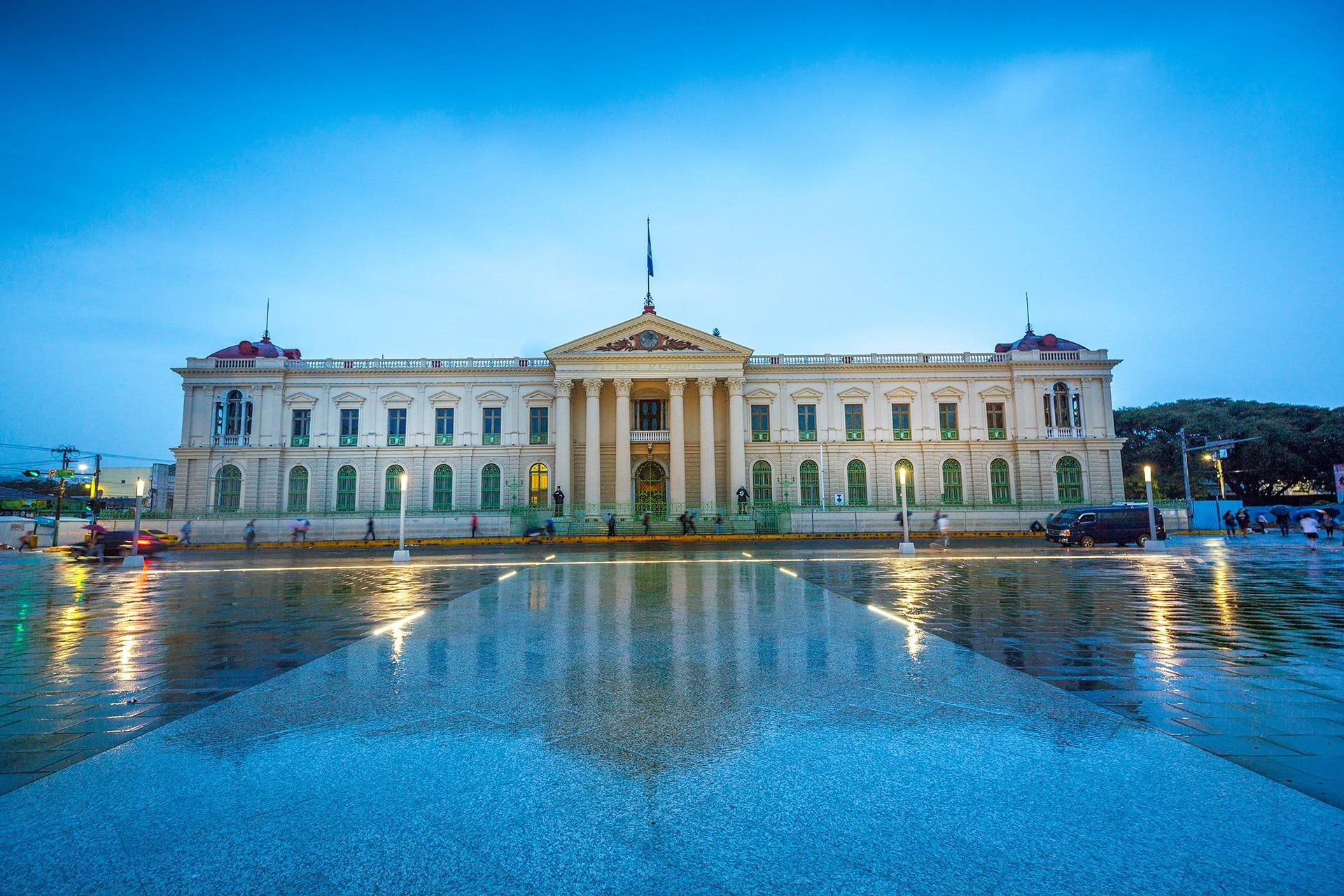
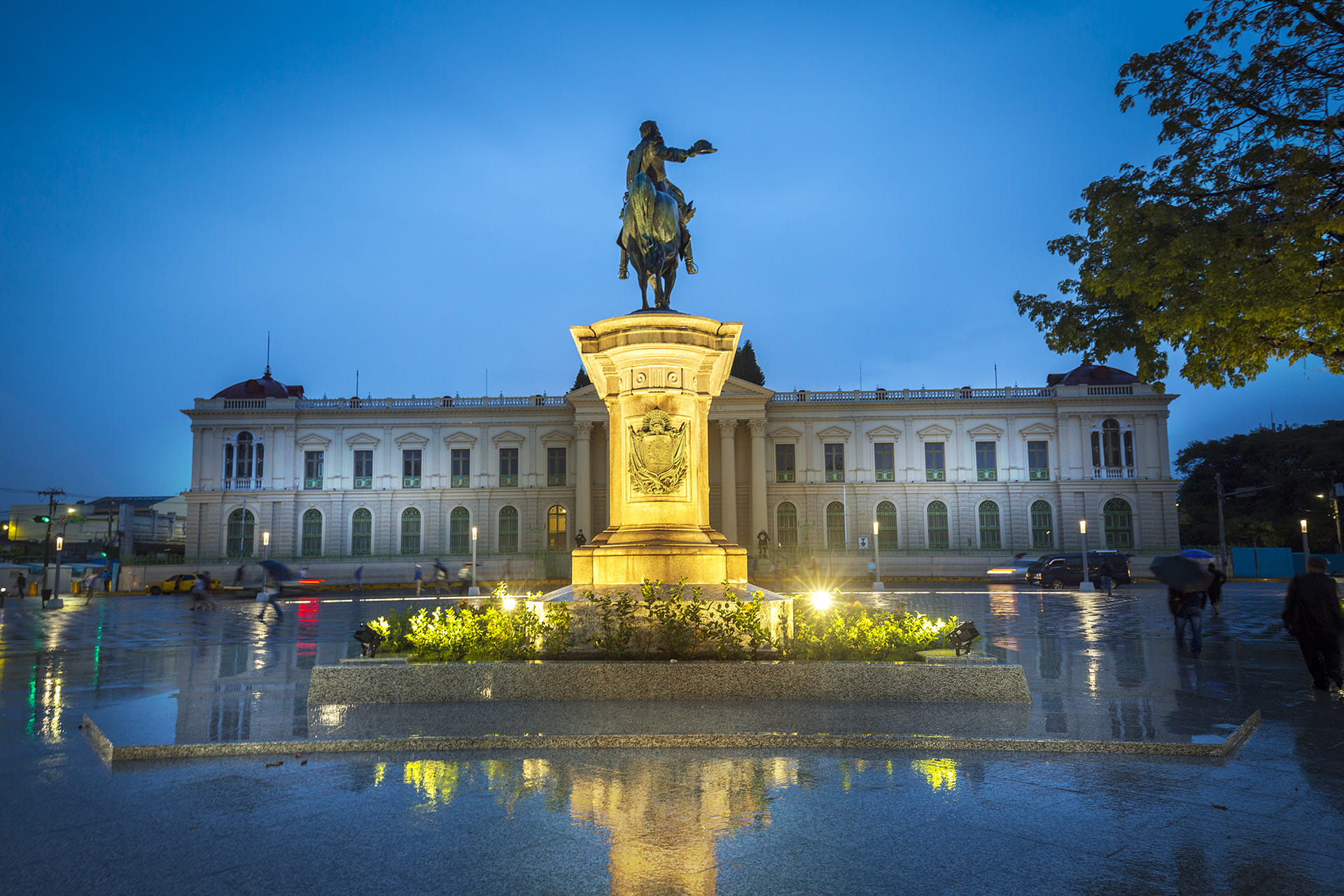
- National Palace: Inaugurated in 1911 with a strong neoclassical and Renaissance influence. It has 101 rooms and four main rooms: the Red Room (used for diplomatic receptions), the Blue Room (former seat of the Legislative Assembly), the Yellow Room (presidential office) and the Pink Room (seat of the Supreme Court of Justice). Its materials, such as Italian marble and local woods, reflect the opulence of the coffee era.
Cultural Modernization: The National Library (BINAES)
National Library of El Salvador represents the most recent milestone in the country's public infrastructure. It is a cutting-edge cultural center that integrates state-of-the-art technology in a seven-level building. Beyond its library function, BINAES is a reference for modern architecture and sustainable design that offers interactive spaces, robotics rooms and digital learning areas, positioning San Salvador as a center of innovation in the Central American region.